- English
-
EnglishDeutschItaliaFrançais한국의русскийSvenskaNederlandespañolPortuguêspolski繁体中文SuomiGaeilgeSlovenskáSlovenijaČeštinaMelayuMagyarországHrvatskaDanskromânescIndonesiaΕλλάδαБългарски езикGalegolietuviųMaoriRepublika e ShqipërisëالعربيةአማርኛAzərbaycanEesti VabariikEuskeraБеларусьLëtzebuergeschAyitiAfrikaansBosnaíslenskaCambodiaမြန်မာМонголулсМакедонскиmalaɡasʲພາສາລາວKurdîსაქართველოIsiXhosaفارسیisiZuluPilipinoසිංහලTürk diliTiếng ViệtहिंदीТоҷикӣاردوภาษาไทยO'zbekKongeriketবাংলা ভাষারChicheŵaSamoa日本語SesothoCрпскиKiswahiliУкраїнаनेपालीעִבְרִיתپښتوКыргыз тилиҚазақшаCatalàCorsaLatviešuHausaગુજરાતીಕನ್ನಡkannaḍaमराठी

Understanding Transducers: Principles, Structure, and Engineering Applications
Catalog
Exploring the Influence and Capabilities of Transducers
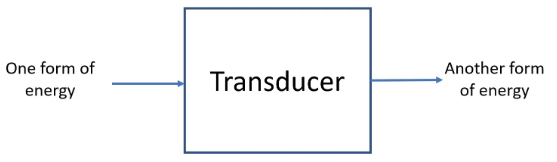
Transducers operate as devices that transform one type of energy into another, significantly impacting various domains like measurements, data communication, and information processing. Their functionality is rooted in energy transduction principles, where energy undergoes transformation and transmission to fulfill specific roles. This concept finds widespread application across engineering sectors.
In signal processing, piezoelectric crystals exemplify transducers, effectively converting mechanical stress into electrical signals, essential for capturing and interpreting data from the tangible world. By embracing these mechanisms thoughtfully, improvements have been achieved in crafting systems that are increasingly sensitive and responsive. During development, engineers focus on step-by-step experimentation and repeated testing to fine-tune these processes, enhancing both sensitivity and precision.
In acoustics, transducers demonstrate remarkable application. Devices like microphones and loudspeakers operate on transducer technology, converting sound waves to electrical signals and vice versa. This dual conversion highlights transducers’ adaptability in sound manipulation and reproduction. Professionals skillfully integrate these devices by grasping the intricate interaction of acoustical properties to achieve clear and accurate sound reproduction, often using a blend of subjective sound tests and objective measurements.
Delving into the Architecture of Transducers
Grasping the intricacies of a transducer's architecture enhances our appreciation of its functionality. At its core, a transducer is composed of several elements: the sensing element, transduction element, signal processing circuitry, and output interface.
Sensing Element
The sensing element, often referred to as the primary sensor, is pivotal in recognizing physical variables. In the realm of temperature measurement, examples like thermocouples or resistance temperature detectors illustrate the breadth of sensor application. These devices demand precise material choice to detect temperature fluctuations aptly, echoing practical wisdom accrued over years of industrial implementation. Performance steadiness largely depends on selecting materials with appropriate thermal properties.
Transduction Element

The transduction element's duty encompasses converting input energy into a quantifiable form. Techniques like piezoelectric and thermoelectric effects are common in this conversion process. The reliability of transducers in diverse settings underscores their utility, influencing a spectrum of applications from medical testing to aerospace technology. Thus, selecting an effective transduction method can substantially affect operational outcomes.
Signal Processing Circuitry
The function of signal processing circuitry is to refine data sourced from the transduction element. This involves utilizing amplifiers for signal amplification and employing filters to reduce noise. Electronics design, with its focus on optimizing signal clarity and suppressing interference, offers invaluable lessons for this processing stage. Appropriate circuitry design maintains transducer viability across fluctuating conditions—an aspect often given weight in niche markets.
Output Interface
Processed signals are communicated through the output interface for subsequent examination, ranging from simplistic analog gauges to intricate digital screens. Calibration fine-tunes this data accuracy, executed via adjustable resistors or through software-based calibration methods. Industries often adapt these interfaces meticulously to match distinct operational requirements, thereby achieving precise and accurate data analysis.
Calibration and Feedback
Calibration processes ensure measurement precision, employing hardware tweaks or software algorithms to mitigate errors. Certain transducers feature feedback systems enabling real-time adjustments, boosting dynamic accuracy. This continuous refinement cycle represents the tangible application of control theories with deep-seated foundations in engineering disciplines, upholding precision even amidst swiftly evolving conditions.
Diverse Types of Transducers
Transducers serve as essential components by facilitating energy conversion across various domains, significantly influencing numerous applications. They are categorized based on energy transformation types, operational methodologies, and signal outputs.
Medium-based Transduction Techniques
Transducers dynamically utilize different mediums to convert physical phenomena into electrical signals. These mediums include resistive, capacitive, and inductive types, each possessing distinct value in measurement and control systems.
- Resistive Transducers experience changes in resistance due to variabilities in inputs, with photoresistors adapting proficiently to alterations in light intensity. In practical applications, these transducers demonstrate the intricate interplay between resistance and environmental factors, achieving accurate measurements in changing light conditions.
- Capacitive Transducers are integral in modern devices, altering capacitance through variations in distances or dielectric properties—a concept vividly observed in touch-sensitive displays. Practical implementations require an insightful grasp of changing capacitance, enabling engineers to craft sensitive user interfaces.
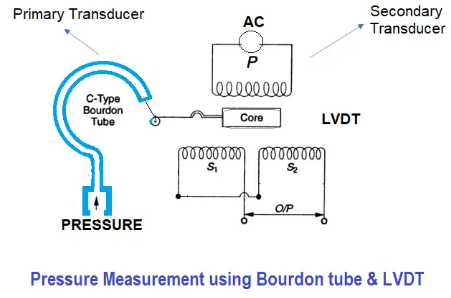
- Inductive Transducers thrive by exploiting changes in inductance due to core movements or coil alterations. Instruments like Linear Variable Differential Transformers (LVDTs) offer exact measurements, proving invaluable in industrial settings demanding precision. A deep comprehension of core dynamics is essential for optimizing these transducers' efficiency.
Active and Passive Transducers
The differentiation between active and passive transducers rests on their power requirements.
- Active Transducers generate signals independently, as seen in thermocouples that produce voltage from temperature disparities. This self-sufficiency is especially beneficial in remote temperature sensing where autonomy of the sensor is a key factor.

- Passive Transducers necessitate external power for effective operation. Strain gauges, for instance, alter resistance when facing stress, commonly used in structural health monitoring to convert mechanical pressure into measurable electrical variations, emphasizing safety and reliability.
Conversion from Primary to Secondary Transducers
Primary transducers directly transform physical properties, while secondary transducers translate these outputs into electrical signals. For example, bourdon tubes initially measure pressure through mechanical alterations, and this motion is interpreted by LVDTs into accurate electrical readings. Understanding this mechanic broadens precision levels in instrumentation.
Analog and Digital Signal Transduction
The classification into analog or digital transducers is determined by the output signal type.
- Analog Transducers provide continuous signals based on input variations, like strain gauges or thermistors, crucial in real-time monitoring where continuous signal representation delivers detailed data on evolving conditions.
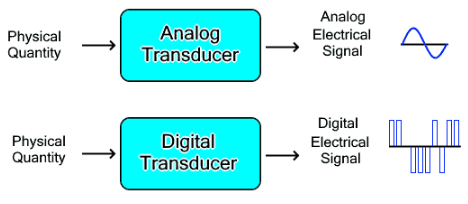
- Digital Transducers emit discrete signals, as demonstrated by rotary encoders correlating pulse counts to rotational movements. The discrete nature of these signals ensures resilience against noise, a significant advantage in data communications, where preserving signal integrity over long distances is necessary.
Energy Conversion Direction: Input and Output Transducers
The direction of energy conversion distinguishes input and output transducers.
- Input Transducers, or sensors, transform physical energy into electrical signals. They are pivotal in detecting environmental changes, such as temperature or movement variations, enhancing situational awareness through active signal conversion.
- Output Transducers, known as actuators, convert electrical energy into tangible mechanical actions. Examples include motors and speakers that transform electrical signals into functional work, essential in applications ranging from vehicle control systems to efficient sound production in audio equipment. This seamless conversion highlights the transducer's role as an enabler in executing automated tasks.
Features of Transducers
Insights into Choosing Transducers
Choosing transducers wisely involves a comprehensive exploration of their static and dynamic traits. This process requires a thorough examination of these aspects to achieve peak application performance, reflecting a balance between technical understanding and emotional intuition.
Delving into Static Characteristics of Transducers
Static characteristics carry considerable weight when selecting a transducer, encompassing:
- Sensitivity, highlighting the transducer's capacity to detect minor variations in the measurand. This trait is crucial in precision-driven settings where attention to detail can reveal much about the environment.
- Linearity, which ensures the output response remains consistent across varying input values, fostering reliability and uniformity.
- Accuracy in stable scenarios, which verifies measurement fidelity. This is deeply connected to precise calibration practices, developed and refined through ongoing learning and technical immersion.
Exploring Dynamic Characteristics of Transducers
Dynamic traits account for:
- Response time, vital for swiftly adapting to stimuli changes in applications, offering an opportunity to enhance operational efficiency in real-time.
- Bandwidth, which sets the range of frequencies a transducer can effectively address, critical in contexts with varying signals.
The expert handling of these dynamic features, seamlessly combined with advanced signal processing, frequently sets pioneering engineering solutions apart from standard approaches.
In-Depth Analysis on Transducer Optimization
A nuanced evaluation of both static and dynamic characteristics is involved in transducer optimization. This complex relationship often mirrors the deep understanding forged through practical experimentation and knowledge application. Such a perspective advocates for a holistic approach to transducer selection, bringing together technical specifications and the insights gained from practical experiences, enriching the role of transducers in precise measurement systems.
Advanced Applications of Transducers
Transducers are profoundly influential across diverse sectors that necessitate accurate transformation of physical phenomena into quantifiable data. Delving into specific applications uncovers their multifaceted impact:
Innovations in Medical Imaging
Transducers facilitate the conversion of ultrasound waves into diagnostic imagery and translate MR signals into intricate anatomical representations. They also transform ECG signals into comprehensive portrayals of cardiac activities. This precise translation technique significantly aids in early diagnosis and treatment planning, marking notable advancements in medical practices. By utilizing these technologies, medical professionals gain a deeper understanding of physiological conditions, ultimately enhancing patient care and outcomes.
Evolution in Audio Technology
Through the use of transducers, microphones convert sound vibrations into electrical signals, while speakers perform the reverse to accurately reproduce audio. These advancements augment both the clarity and richness of sound, pivotal in professional audio settings. The precise capture and playback of audio largely influence artistic expression and communication. Skilled sound engineers often experiment with various transducer designs to realize the desired acoustic effects, revealing the extensive influence of these devices in audio technology.
Advancements in Industrial Sensor Technology
In industrial contexts, transducers are utilized to monitor pressure, temperature, and additional environmental factors, optimizing process management. Chemical detections are transformed into alerts or alarms, ensuring both safety and efficiency. The integration of these sensors allows for predictive maintenance and reduced downtime, paramount for operational efficiency. Engineers and technicians depend on consistently calibrated transducers, highlighting the role of precision engineering within industrial applications.
Progress in Telecommunications
In the realm of telecommunications, transducers convert voice into electronic signals for broadcast and modulate laser light for fiber-optic data transmission. These conversions enhance bandwidth and signal clarity, underpinning contemporary communication infrastructures. Ongoing advancements in transducer technologies support higher-speed internet and more dependable telecommunications services, underscoring their role in global connectivity. The continual evolution of these systems reflects overarching trends in technological integration and data exchange.
Enhancements in Environmental Monitoring
Transducers are employed in radar systems for analyzing weather patterns and in utilizing pressure sensing technologies to measure river levels. These uses yield essential data that contribute to environmental studies and disaster mitigation efforts. The reliability and precision of these technologies are pivotal in tracking adverse environmental changes, facilitating timely response strategies. Environmental scientists leverage this technology to deepen their understanding of ecological dynamics, signifying the significant intersection between technological application and sustainable practices.
Frequently Asked Questions [FAQ]
1. How do sensors differ from transducers?
Sensors are crafted to perceive distinct physical phenomena, like temperature or pressure, offering vital data collection capabilities that intrigue the curiosity. Conversely, transducers perform the task of transforming one energy form into another, facilitating a range of applications across various fields. While a transducer can often function as a sensor, the sensor does not inherently encompass all transducer functions. This becomes evident in industries where nuanced precision and operational efficiency significantly influence results, and choosing the right component alters the course.
2. What factors should I consider for choosing the right transducer for my needs?
Selecting a transducer involves assessing the type of energy conversion it offers in relation to the demands of your application. Reflecting on accuracy and sensitivity, expert insights reveal these aspects profoundly impact measurement precision. Scrutinize environmental aspects—temperature, humidity, and other conditions—to gauge reliability and resilience. While budgeting remains a consideration, it should harmonize with quality expectations. Engaging with seasoned experts or specialists introduces unique perspectives that enrich the decision-making process with experiential wisdom and technical prowess.
3. Are transducers susceptible to degradation over time?
Absolutely, akin to other electronic components, transducers have a natural tendency to degrade over time. Various factors contribute significantly to this process: mechanical stress from rigorous or frequent usage in dynamic settings can expedite wear. Environmental factors, including exposure to high humidity or corrosive atmospheres, further accelerate the wearing process, while electrical overloads from power spikes may compound the effect. By acknowledging these potential challenges and embedding regular maintenance routines, the lifespan and effectiveness of transducers can be sustained, preserving their functionality.
Related Blog
-
How Many Zeros in a Million, Billion, Trillion?
![How Many Zeros in a Million, Billion, Trillion?]()
July 29th, 2024
Million represents 106, an easily graspable figure when compared to everyday items or annual salaries. Billion, equivalent to 109, starts to stretch t... -
IRLZ44N MOSFET Datasheet, Circuit, Equivalent, Pinout
![IRLZ44N MOSFET Datasheet, Circuit, Equivalent, Pinout]()
August 28th, 2024
The IRLZ44N is a widely-used N-Channel Power MOSFET. Renowned for its excellent switching capabilities, it is highly suited for numerous applications,... -
Battery Temperature Too Low, Charging Stopped. How to Fix It?
![Battery Temperature Too Low, Charging Stopped. How to Fix It?]()
October 6th, 2024
Mobile phone battery charging issues are common but can be effectively managed. Temperature plays a big role in battery efficiency, as smartphone batt... -
BC547 Transistor Comprehensive Guide
![BC547 Transistor Comprehensive Guide]()
July 4th, 2024
The BC547 transistor is commonly used in a variety of electronic applications, ranging from basic signal amplifiers to complex oscillator circuits and... -
Comprehensive Guide to SCR (Silicon Controlled Rectifier)
![Comprehensive Guide to SCR (Silicon Controlled Rectifier)]()
April 22th, 2024
Silicon Controlled Rectifiers (SCR), or thyristors, play a pivotal role in power electronics technology because of their performance and reliability. ... -
LR621, SR621SW, 364, AG1 Battery Equivalents and Replacements
![LR621, SR621SW, 364, AG1 Battery Equivalents and Replacements]()
July 15th, 2024
LR621 and SR621SW button batteries are prevalent in compact electronic devices like watches, small toys, calculators, and remote keys. Multiple manufa... -
Fundamentals of Op-Amp Circuits
![Fundamentals of Op-Amp Circuits]()
December 28th, 2023
In the intricate world of electronics, a journey into its mysteries invariably leads us to a kaleidoscope of circuit components, both exquisite and co... -
Comparing NMOS and PMOS Differences and Applications
![Comparing NMOS and PMOS Differences and Applications]()
November 15th, 2024
Understanding the differences between NMOS and PMOS transistors is important in designing efficient circuits. NMOS (N-type Metal-Oxide-Semiconductor) ... -
What Do STD, AGM, and Gel Mean On a Battery Charger
![What Do STD, AGM, and Gel Mean On a Battery Charger]()
July 10th, 2024
Traditional lead-acid battery chargers are known for their simplicity and reliability. They have been serving their purpose effectively for years, lar... -
A Complete Guide to Multiplexers and Their Role in Digital Systems
![A Complete Guide to Multiplexers and Their Role in Digital Systems]()
September 20th, 2025
Multiplexers are components in digital systems, designed to channel multiple input signals into a single output line using binary logic and control si...


Hot Parts
- T495D107M016ATE100
- DSEP15-06A
- MAX3227EEAE+
- PIC18F4680-E/P
- BGB707L7ESD
- CGA2B2NP01H390J050BA
- TPME686M025R0045
- SNJ54F32J
- PM15EVL120
- CASR25-NP
- TAJA475M004RNJ
- M48T59Y-70PC1D
- IP4054CX15/LF
- DS2Y-S-DC24V
- MMBT3906
- LSISAS1064E-B2/62097C2
- CY7C1513KV18-300BZXC
- GRM2196S2A300JZ01D
- K4B8G3346B-MCK0
- HT46RU67
- TLC5510INS
- SN74LV1T125DBVR
- MRF1517NT1
- LCMXO1200C-4TN144C-3I
- A3941KLPT-T
- CC0805KRX5R6BB105
- WT61P8RG40WT
- TPSV227K016R0150
- MC68HC11D0CFN3R2
- 12062A102JAT2A
- FDC37B777
- BCM56850A2KFSBG
- OPA4354AIPW
- GRM1885C1H5R3CA01D
- M62491FP
- TLC6C598QDRQ1
- TLK10022CTR
- LTC1144CS8
- DS90UB914ATRHSTQ1
- T491A335M010ZT7280
- T491C106K025AT42807622
- TPS259540DSGR
- ADF4106BRUZRL
- IDT70V261S25PF
- S29GL064M90TAIR03
- S9S12C128F0VFUE
- TC74ACT08FT-EL
- AM79C610
- D1210S-03
- L2B3196-002