- English
-
EnglishDeutschItaliaFrançais한국의русскийSvenskaNederlandespañolPortuguêspolski繁体中文SuomiGaeilgeSlovenskáSlovenijaČeštinaMelayuMagyarországHrvatskaDanskromânescIndonesiaΕλλάδαБългарски езикGalegolietuviųMaoriRepublika e ShqipërisëالعربيةአማርኛAzərbaycanEesti VabariikEuskeraБеларусьLëtzebuergeschAyitiAfrikaansBosnaíslenskaCambodiaမြန်မာМонголулсМакедонскиmalaɡasʲພາສາລາວKurdîსაქართველოIsiXhosaفارسیisiZuluPilipinoසිංහලTürk diliTiếng ViệtहिंदीТоҷикӣاردوภาษาไทยO'zbekKongeriketবাংলা ভাষারChicheŵaSamoa日本語SesothoCрпскиKiswahiliУкраїнаनेपालीעִבְרִיתپښتوКыргыз тилиҚазақшаCatalàCorsaLatviešuHausaગુજરાતીಕನ್ನಡkannaḍaमराठी

Understanding SIMM: The Foundation of Modern Memory Technology
Catalog
Introduction to Modular Memory: SIMM

Delving into the history of modular memory opens with SIMM, short for Single In-line Memory Module. Emerging in the early 1980s, SIMMs held a central role in computing, maintaining their relevance until the late 1990s. During this period, memory capacities spanned several megabytes—a notable size especially when contrasted with today's gigabyte norms. This capability allowed for adaptation to the increasingly complex computing challenges of the time, setting the stage for further innovations in memory technology.
The Historical Importance and Technical Traits of SIMMs
The debut of the 32-pin SIMM, commonly 8-bit, marked a significant leap in modular memory by offering capacities ranging from 256KB to 4MB. In an era dominated by 16-bit CPUs, paired SIMMs met the growing computational requirements. Advancements in technology introduced 32-bit processors, creating a context where four SIMMs were deployed together to optimize system performance. Enter the 72-pin SIMM, which supported 32-bit data and offered capacities from 4MB to 64MB. These modules became integral to advanced systems, including the 386DX, 486DX, and Pentium 586, thus fostering more intricate application development and boosting overall productivity. Additionally, companies like GVP and Apple crafted unique 64-pin SIMMs to address specific technological needs.
The Coexistence of SIMM and DIP Memory Technologies
Historical Context and Technological Evolution
In the early computing era, both SIMM (Single In-line Memory Module) and DIP (Dual In-line Package) memory technologies played crucial roles in shaping system architecture. DIP memory, with its distinctive multiple-pin structure, was instrumental in early systems like the 8088, XT, and AT. As technology advanced, and user expectations grew during the 80286 processor period, the limitations of DIP memory became apparent. Its constrained design, both in capacity and scalability, led to the gradual market shift towards SIMM modules.
Transitional Challenges and Adaptation
Transitioning to SIMM technology brought its own set of hurdles. A significant concern was the varying quality of its gold connectors, often affecting system efficiency and usage rates. These challenges highlighted the practicality of dual memory systems, where DIP and SIMM coexisted. Such setups played a practical role in maintaining compatibility with existing hardware, while also exploiting the benefits of both memory types.
The Transformation of DIMM Technology
Historical Context and Architectural Shift
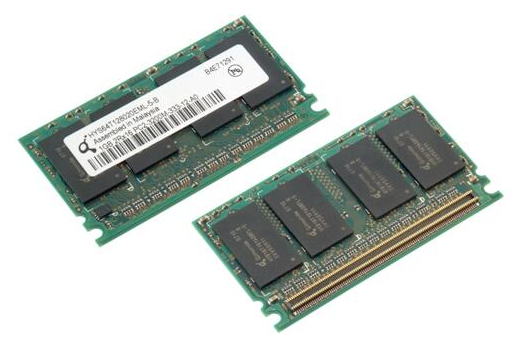
The development of the Dual In-line Memory Module (DIMM) signifies a notable leap in memory technology. The transition from "single" to "dual" module underscores changes not just in terminology, but in architectural design as well. This evolution reflects a departure from older 32-bit configurations to more sophisticated 64-bit frameworks. The 168-pin setup, featuring 64 pins on each side, facilitates efficient, independent signal transmission. This design decision represents a crucial step in the evolution of memory modules, boosting data transfer capabilities and enhancing system performance.
Technical Details and Range
DIMMs are designed to operate at the reduced voltage of 3.3V, with storage capacities spanning from 32MB to as much as 1GB. These modules heralded the DIMM era through the introduction of SDR SDRAM (Single Data Rate Synchronous Dynamic RAM), an innovative development that harmonized data transfer with the system clock. The lower operating voltage contributes to improved energy efficiency and results in decreased heat output—a favorable attribute for sustaining stable, high-performance computing environments over long durations.
Synchronization and Data Efficiency
SDR SDRAM's synchronization technology refines data management efficiency akin to streamlining traffic flow, ensuring data is meticulously aligned with the CPU clock cycle. This synchronization enables simultaneous data transfers, significantly reducing latency, a vital aspect in refining memory performance. Such enhancements have profoundly influenced both personal computing and server domains.
Practical Usage and Impact
In real-world applications, the benefits of employing DIMMs with SDR SDRAM are evident—they facilitate seamless multitasking, accelerated data access, and enhanced overall system responsiveness. The efficiency gains are particularly noticeable when running memory-intensive software, where reduced latencies result in significant performance improvements.
The Diverse Landscape of DIMM Technology
The progression of portable computing technology has driven a transformation in memory module design to achieve spatial and energy efficiency, leading to the development of SO-DIMM (Small Outline DIMM). These compact modules are perfectly suited for environments with space constraints. In conventional memory setups, short wire links can trigger signal disruptions. To combat this, FB-DIMM (Fully Buffered DIMM) emerged, incorporating a control chip to enhance stability, speed, and density capacity, making it especially advantageous for server applications.
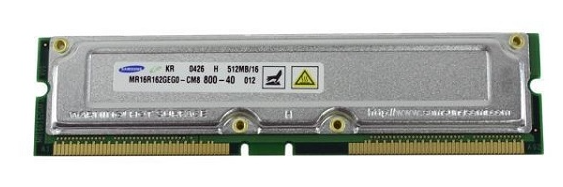
During the period dominated by Pentium 4 processors, Intel brought forward Rambus DRAM (RDRAM), which used a refined RISC instruction set, enabling impressive frequencies reaching 1066MHz, thereby surpassing the standard DDR's 400MHz. Nevertheless, despite its technological advances, RDRAM was overshadowed by AMD's DDR due to its high costs.
UDIMM
Unbuffered DIMM (UDIMM) lacks buffers or registers, which results in reduced latency but confines support to low-density modules due to potential error risks. UDIMMs are mainly used in desktop computers where velocity is preferred over density.
SO-DIMM
SO-DIMM is tailored for systems requiring compact hardware solutions, making it particularly advantageous for laptops due to its smaller size compared to standard DIMMs.
Server DIMMs
While server memory follows the core principles of RAM, it incorporates specific technologies designed to maintain high stability levels and correct errors. These crucial techniques include:
- Parity: Introducing a check bit to each data byte, this method efficiently identifies errors but does not correct them.
- ECC (Error Correcting Code): Offering an improvement over parity, ECC not only detects but also corrects errors, ensuring reliable server operation.
- Register (REG): Functioning like an operation directory, it enhances the effectiveness of memory tasks. Registered memory typically includes ECC abilities, making it ideal for high-performance servers and workstations.
RDIMM
Registered DIMM (RDIMM) employs a register to regulate address and command signals. It includes an 8-bit parity check and supports higher density settings, ideal for intense server environments.
LRDIMM
Load-Reduced DIMM (LRDIMM) replaces the register with a memory buffer, which reduces load and boosts performance, particularly suitable for high-density application needs.
ECC UDIMM / ECC SO-DIMM
These modules possess the capability to detect and correct data corruption, greatly increasing server reliability.
VLP RDIMM / VLP ECC UDIMM
Very Low Profile DIMMs are constructed to take up minimal space while maximizing heat dissipation, making them suitable for use in blade servers.
The Progression of DDR Technology
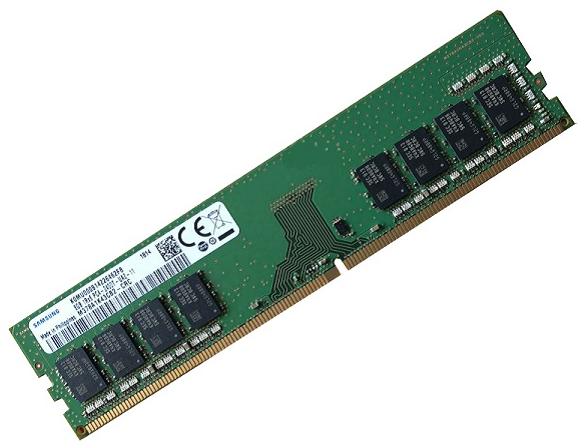
DDR, known as Dual Data Rate SDRAM, revolutionized memory by surpassing SDRAM in both efficiency and performance. This memory innovation initially offered mainstream capacities ranging from 128MB to 1GB, operating at frequencies up to 400MHz. The implementation of dual-channel support with DDR effectively doubled available bandwidth. This enhancement enabled more resourceful data processing and throughput, addressing the burgeoning demands of contemporary software applications. By adopting a dual-channel architecture, DDR laid a foundation for memory scalability and performance, shaping future advancements in memory technology.
Details on Technological Breakthroughs in DDR
The advancements in DDR technology extended beyond increased speed, enhancing efficiency to facilitate swift data transfers, enriching computing experiences. Its dual-channel capability transformed data transmission by utilizing both rising and falling edges of the clock cycle, effectively doubling the data rate in comparison to traditional SDRAM. This technological leap allowed DDR to consistently surpass competitors like RDRAM, presenting a more balanced performance-to-cost ratio. The impact of these innovations was particularly significant in scenarios guided by user preferences, such as video editing and gaming, where memory bandwidth and speed contributed to optimizing the experience.
Moving Beyond DDR to DDR4
The progression of DDR did not cease with its initial achievements; it inspired subsequent innovations, leading to the development of DDR4. Each phase introduced improvements in speed, stability, and bandwidth while refining power usage. DDR4 notably delivers higher clock speeds and operates at lower voltages, enhancing energy efficiency—a direct response to today’s emphasis on sustainable technological advancements. This evolutionary path underscores a commitment to aligning memory technology with the ever-evolving demands of processing power and performance expectations.
Diverse Spectrum of DDR4 Memory
Within the expansive landscape of DDR4 memory, a multitude of variants emerge, each crafted to address distinct needs. Surprisingly, Intel's specifications accommodate a memory capacity reaching up to 128GB. Yet, single 32GB modules are seldom found in the retail sphere, underscoring a complex challenge in the realm of memory production: harmonizing the pace of technological progress with market availability.
Evolution of DC-DIMM
In the year 2019, ASUS, alongside a coalition of partners, unveiled a groundbreaking innovation in the form of DC-DIMM. This non-JEDEC standard effectively doubles the memory capacity of existing technologies. However, this significant leap is paired with certain challenges; it necessitates motherboards engineered for this novel standard. DC-DIMM not only reflects a step forward in technology but also signifies ASUS's strategic effort to influence future norms in memory capacity.
Practical Insights into DC-DIMM Adoption
Considering practical implications, the advent of DC-DIMM calls for adaptation by both manufacturers and consumers. Manufacturers are tasked with crafting motherboards tailored to embrace this standard, potentially involving a redesign of existing product lines. Consumers, conversely, need to make purchasing choices aligned with these compatibility considerations, highlighting the interdependent nature of hardware innovation and consumer responsiveness.
6.1.1.1 Obstacles in Ensuring Motherboard Compatibility
The requirement for tailored motherboard support arises from fundamental shifts in power and signaling specifications introduced by DC-DIMM. Manufacturers must innovate while maintaining system stability and performance—a pursuit comparable to navigating a fine line. This underscores the careful balance necessary to transform theoretical progress into actionable enhancements.
Wider Impact on Memory Industry Standards
DC-DIMM's advent prompts questions regarding industry norms. Located outside the conventional JEDEC approval, it stands apart from traditional regulatory confines, potentially slowing widespread adoption or spurring a deeper contemplation on the evolution of these standards. Innovations like DC-DIMM frequently act as catalysts for industry transformation, redefining the progression of standards in response to pioneering technologies.
Reflecting on these advancements reveals the dual character of technological progress: it expands the horizons of possibility while simultaneously challenging adaptation and standardization. The exploration of DDR4 variants such as DC-DIMM illuminates the captivating relationship between groundbreaking advancements and longstanding industry conventions.
Predicting the Outcomes of DDR5
Improvements in Performance and Capacity
DDR5 represents a remarkable advancement by increasing the number of memory prefetch bits from previous generations, thereby improving overall bandwidth. Following its official unveiling by JEDEC in July 2020, DDR5 accentuates density and speed enhancements. Initial data rates commence at a notable 6.4Gbps, while the potential for single LRDIMM capacities to ascend to an astounding 2TB exists. This progression supports larger DRAM chips, leading to significant increases in memory capabilities when compared to DDR4.
Platform Compatibility and Industry Integration
As DDR5 becomes the new standard, seamlessly transitioning platforms is an area of careful focus for the tech industry. Numerous leading technology companies are beginning to adopt DDR5 standards, paving the way for its inclusion in upcoming hardware designs. This shift requires astute examination of current infrastructure to ensure a transition that avoids major interruptions. In practice, achieving a successful transition generally involves meticulous planning and staged implementations to prevent disruptions.
Strategic Considerations for System Architecture
The increase in prefetch bits with each iteration, exemplified by DDR5, indicates a trend towards more sophisticated system architectures. This development aims to satisfy the escalating demands for superior performance and enhanced energy efficiency within the computing landscape. The journey of learning and adapting to these innovations enables designers to fine-tune processing power and manage power use, ultimately contributing to better user experiences and system dependability.
Frequently Asked Questions [FAQ]
1. What does DIMM stand for?
DIMM is an acronym for Dual In-line Memory Module. This memory module features a 64-bit data path and includes one or more RAM chips placed on a circuit board, utilizing a set of pins for motherboard connection. The architecture is designed to optimize data transfer and improve system performance. These enhancements in memory technology demonstrate a noteworthy progression from earlier single in-line memory modules, illustrating the demand for increased data bandwidth in today’s computing world.
2. What is the difference between DIMM and RAM?
DIMM is the physical module that encapsulates RAM chips, whereas RAM stands for Random Access Memory, which is the actual electronic memory element. The difference extends beyond just physical form to functional purpose; DIMMs are crafted to facilitate effective communication between RAM and the computer system. This connection plays a pivotal role in handling multitasking and processing speeds. In practical scenarios, the function of DIMMs is apparent during demanding computational activities, underlining their impact on system stability and performance.
Related Blog
-
How Many Zeros in a Million, Billion, Trillion?
![How Many Zeros in a Million, Billion, Trillion?]()
July 29th, 2024
Million represents 106, an easily graspable figure when compared to everyday items or annual salaries. Billion, equivalent to 109, starts to stretch t... -
IRLZ44N MOSFET Datasheet, Circuit, Equivalent, Pinout
![IRLZ44N MOSFET Datasheet, Circuit, Equivalent, Pinout]()
August 28th, 2024
The IRLZ44N is a widely-used N-Channel Power MOSFET. Renowned for its excellent switching capabilities, it is highly suited for numerous applications,... -
Battery Temperature Too Low, Charging Stopped. How to Fix It?
![Battery Temperature Too Low, Charging Stopped. How to Fix It?]()
October 6th, 2024
Mobile phone battery charging issues are common but can be effectively managed. Temperature plays a big role in battery efficiency, as smartphone batt... -
BC547 Transistor Comprehensive Guide
![BC547 Transistor Comprehensive Guide]()
July 4th, 2024
The BC547 transistor is commonly used in a variety of electronic applications, ranging from basic signal amplifiers to complex oscillator circuits and... -
Comprehensive Guide to SCR (Silicon Controlled Rectifier)
![Comprehensive Guide to SCR (Silicon Controlled Rectifier)]()
April 22th, 2024
Silicon Controlled Rectifiers (SCR), or thyristors, play a pivotal role in power electronics technology because of their performance and reliability. ... -
LR621, SR621SW, 364, AG1 Battery Equivalents and Replacements
![LR621, SR621SW, 364, AG1 Battery Equivalents and Replacements]()
July 15th, 2024
LR621 and SR621SW button batteries are prevalent in compact electronic devices like watches, small toys, calculators, and remote keys. Multiple manufa... -
Fundamentals of Op-Amp Circuits
![Fundamentals of Op-Amp Circuits]()
December 28th, 2023
In the intricate world of electronics, a journey into its mysteries invariably leads us to a kaleidoscope of circuit components, both exquisite and co... -
Comparing NMOS and PMOS Differences and Applications
![Comparing NMOS and PMOS Differences and Applications]()
November 15th, 2024
Understanding the differences between NMOS and PMOS transistors is important in designing efficient circuits. NMOS (N-type Metal-Oxide-Semiconductor) ... -
A Complete Guide to Multiplexers and Their Role in Digital Systems
![A Complete Guide to Multiplexers and Their Role in Digital Systems]()
September 20th, 2025
Multiplexers are components in digital systems, designed to channel multiple input signals into a single output line using binary logic and control si... -
What Do STD, AGM, and Gel Mean On a Battery Charger
![What Do STD, AGM, and Gel Mean On a Battery Charger]()
July 10th, 2024
Traditional lead-acid battery chargers are known for their simplicity and reliability. They have been serving their purpose effectively for years, lar...



Hot Parts
- AM26C32IDR
- SB10150TA
- EMB1499VBMH
- GRM0335C1H3R1CD01D
- NJM2783V-TE2-#ZZZB
- B82496C3220J
- PM7382-PI
- AT25DN512C-SSHF-T
- LD06CC220KAB1A
- CQ0603CRNPO9BN8R2
- 0805YD475MAT2A
- MAX211ECAI
- MAX811SEUS+T
- W5500
- AL600C-PBF
- MP6510DF
- GQM2195C2E1R6WB12D
- RT0805BRD073K4L
- TSB14C01APMR
- C0603X5R1E223K030BB
- DF13-5S-1.25C
- PS8301EPQ
- RT0402DRE07150RL
- TMS32C6415EGLZ6E3
- RT1206DRD07910RL
- 06033A4R7D4T2A
- NT71790TBG
- AK4310VM
- MC14584BDTEL
- MT6255A/B
- T322C156K010AT
- BD6975FV
- 2MBI150U4A-120
- MB90F045PF-G-9017-SPE1
- THMC10DBQR
- IHLP1616BZER1R0M01
- SPC560P50L3B1ABR
- GRM1556R1HR80CD01D
- ISL6255HAZ-T
- 06035G563ZAT2A
- LM25575Q0MH
- MB90F394SAPMT-G-JNE1
- T491A335K010ZTZB01
- V24B24T200BL
- GRM188F11E473ZA01D
- MT28F320J3FS-11GMET
- AD75028JP
- NT72563MBG-AB
- AP63205WU-7
- TPS2120YFP