- English
-
EnglishDeutschItaliaFrançais한국의русскийSvenskaNederlandespañolPortuguêspolski繁体中文SuomiGaeilgeSlovenskáSlovenijaČeštinaMelayuMagyarországHrvatskaDanskromânescIndonesiaΕλλάδαБългарски езикGalegolietuviųMaoriRepublika e ShqipërisëالعربيةአማርኛAzərbaycanEesti VabariikEuskeraБеларусьLëtzebuergeschAyitiAfrikaansBosnaíslenskaCambodiaမြန်မာМонголулсМакедонскиmalaɡasʲພາສາລາວKurdîსაქართველოIsiXhosaفارسیisiZuluPilipinoසිංහලTürk diliTiếng ViệtहिंदीТоҷикӣاردوภาษาไทยO'zbekKongeriketবাংলা ভাষারChicheŵaSamoa日本語SesothoCрпскиKiswahiliУкраїнаनेपालीעִבְרִיתپښتوКыргыз тилиҚазақшаCatalàCorsaLatviešuHausaગુજરાતીಕನ್ನಡkannaḍaमराठी

Ripple Control in Power Systems: Methods, Testing, and Performance Impact
Catalog
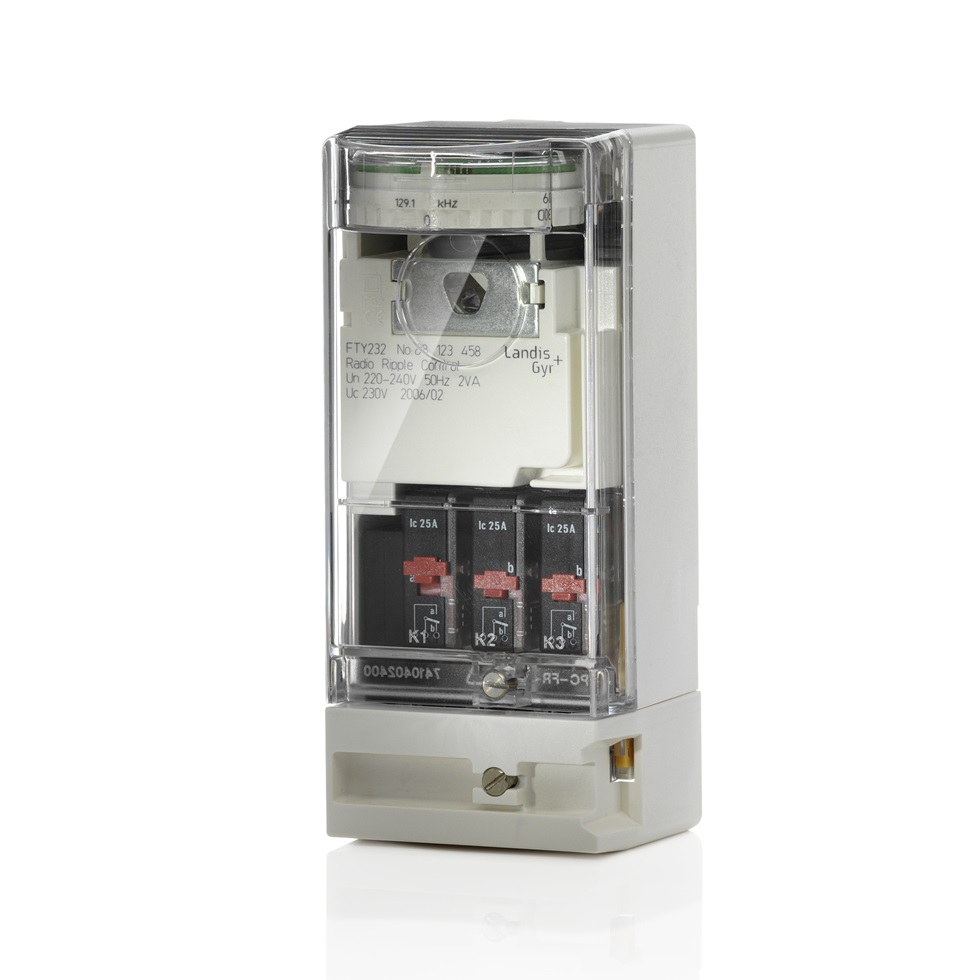
Understanding Ripple
Ripple involves the fluctuating variations present in the DC voltage after being rectified, and it has its roots in an alternating current source. These oscillations emerge as an unwanted AC component overlaying the DC output, resulting in deviations from the stable voltage level that is typically aimed for.
Ripple can significantly influence the performance and dependability of electronic devices. Its interference is often perceived as disruptive noise which could trigger unintended malfunctions. For systems demanding consistently stable voltage,like precision measurement instruments or sensitive communication systems,a slight ripple may cause adverse effects. People working with electronics often use filter circuits and advanced control methods to reduce these problems, helping devices run smoothly and keep their proper function.
In applications, you can apply a range of methods to curb ripple effects. Capacitors and inductors are extensively used in filtering circuits to mitigate voltage fluctuations, thereby bolstering the stability and performance of electronic devices. Feedback mechanisms are incorporated in voltage regulation systems to actively counteract ripple, maintaining preferred voltage levels.
Evaluating the Ripple Factor
The ripple factor serves as a pivotal gauge in assessing the DC output quality from a rectifier, focusing on its purity and consistency. This dimensionless parameter is measured through the ratio of the root mean square (RMS) of ripple voltage to the DC component of output voltage, represented as a percentage. The formula is expressed as:
Ripple Factor(r) = (Vrms / Vdc) × 100
Ripple Factor's Role in Rectifier Outputs
A diminished ripple factor indicates a more refined and stable DC output, which contributes to the precise operation of sensitive electronic devices. Reducing ripple promotes the longevity of components, enhancing circuit reliability and accuracy in practical applications. Low ripple factors in power supply system design, drawing from both understanding and experiential insights to reach superior performance levels.
Strategies for Ripple Reduction
Various techniques exist to mitigate ripple factors, each enhancing the purity of DC output. The effective implementation of filter circuits is widely adopted, where capacitors and inductors play crucial roles in smoothing voltage fluctuations. Moreover, deploying advanced power electronic devices and creative design strategies is practiced by professionals aiming to minimize ripple in critical applications.
Ripple Factor's Significance in Design
When considering the ripple factor, attention must be given to its role within broader system infrastructure, emphasizing the equilibrium between technical specifications and operational efficiency. Ripple reduction methods are often embedded in design processes to ensure component performance matches external conditions. A specialized approach allows theory and application to work together, supporting ongoing development in electrical engineering and technology.
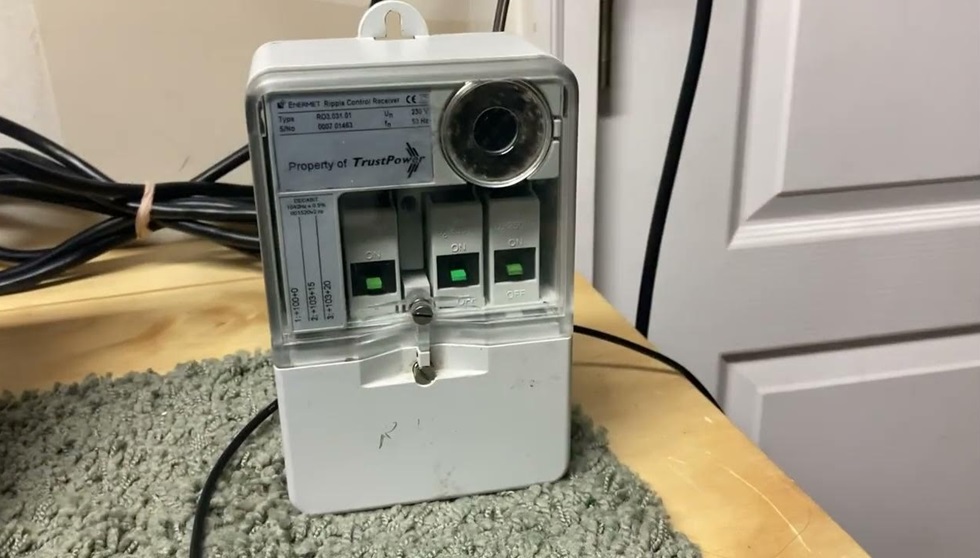
Techniques for Ripple Analysis
The stability and efficiency of electronic circuits often reflect their hidden interplay of ripple dynamics. To untangle this complex web, oscilloscopes, digital multimeters, and audio spectral analysis emerge as needed instruments in the insightful quantification of ripple. An oscilloscope, with its visual prowess, unveils the undulating dance of voltage over time when set to AC coupling mode, segregating AC ripple from the DC components in a circuit's intricate ballet. Once adjusted, the oscilloscope reveals the ripple's elusive nature, guide through its impact on electronic functionality.
As trusted companions in the electronics field, digital multimeters (DMM) provide straightforward AC ripple readings. Yet, the importance of a broader perspective surfaces, as high-frequency elements may slip through unnoticed in precision-critical circuits. Pairing DMM readings with other methodologies yields a detailed understanding cherished by electronics professionals, whose holistic approach enhances reliability across a spectrum of applications.
Exploring Audio Ripple Through Spectrogram Analysis
Spectrogram analysis opens a window into the ripple-induced symphony within audio spectra, translating ripple patterns into a visual narrative. By aligning disturbances with ripple presence, this process enriches the dialogue between ripple and audio quality, illuminating pathways for sound enhancement. Addressing ripple in audio processing nurtures clarity and depth, emphasizing a harmonious blend between electrical artisanship and audio refinement.
Holistic Approaches to Ripple Analysis
Ripple assessment unfolds a tapestry of complexity, inviting a thoughtful integration of diverse techniques for a richer analysis. Navigating this intricate landscape, the fusion of distinct measurement approaches fortifies ripple examination. Through this orchestration, occult disturbances stand revealed, safeguarding electronic systems' core essence. Such a comprehensive methodology embodies a synthesis of precision and adaptability, echoing the insight that successful ripple handling demands foresight and a nimble analytical spirit.
Minimizing Ripple Effects in Power Supplies
Achieving reduced ripple is a cornerstone in preserving the smooth operation and enduring functionality of electronic systems. This involves capacitive filtering to manage voltage swings, where capacitors featuring low equivalent series resistance (ESR) prove particularly capable, storing sufficient energy to handle swift voltage declines. Meanwhile, inductive filtering utilizes inductors to counter sudden changes in current flow, substantially reducing ripple influences.
Capacitive Filtering Approaches
Capacitors play a role, especially with their design focused on low ESR attributes. Acting as swift responders to voltage shifts, selecting capacitors with the correct capacitance for the given circuit ensures effective voltage smoothing. This approach finds frequent use in precision fields such as high-quality audio electronics.
Inductive Filtering Practices
Inductors are useful in suppressing ripple in power supplies, bringing stability against current alterations. Integrating these into circuits requires precise assessments of their inductance and current ratings to align with specific needs. Industries such as defense and spacecraft manufacturing frequently utilize this practice due to its reliability in mission-critical applications.
Progressive Regulation Strategies
Utilizing voltage regulators, encompassing both linear and switching varieties, sustains steady output levels amidst input power shifts. Expert integration of these components allows devices to adjust to varying power conditions while preserving functionality. This tactic is widely adopted in renewable energy infrastructures, where power input fluctuates commonly.
Combined Filtering Configurations: LC and Pi Filters
Melding capacitors and inductors into LC or Pi frameworks presents an advanced method for ripple containment. Such filters amplify ripple suppression more effectively than isolated components, offering comprehensive defense against disturbances. Mastery in this technique is often required, ideal in projects like medical imaging systems.
Advances through Design Refinement
Minimizing ripple encompasses thoughtful grounding and shielding strategies to reduce external interference. Employing components with a focus on low noise design can curb ripple effects. Practical experience shows that subtle modifications in layout and component placement substantially boost performance, an approach polished through iterative testing in applications.
Tactical Component Selection
Choosing premium components during the design stage is important. Components engineered to limit noise elevations enable smoother functioning in delicate electronic setups. This methodology is widely embraced in consumer electronics, where ripple management directly influences satisfaction.
Ripple mitigation extends beyond technical accuracy, rooted in the universal concept of proactive component choice and cohesive design integration.
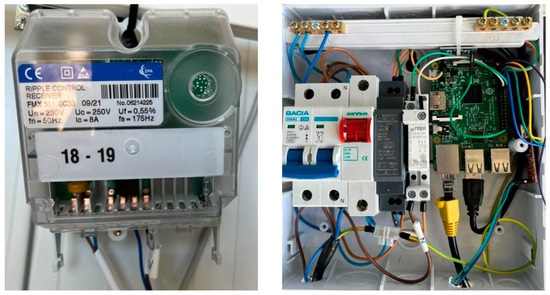
Bolstered Approaches for Ripple Control in Buck Regulators
Buck regulators offer a proficient method for converting high input DC voltages into reduced output levels. They're often selected for their small size and swift dynamic response. Yet as they operate, handling ripple, an output voltage variation due to fluctuating switch activity.
Unpacking Ripple
As switches activate, inductors gather energy, later releasing it to capacitors upon deactivation, generating ripple as an inherent outcome. Understanding this primary aspect of conversion involves focusing on these output variations to ensure stability and predictability.
Strategies to Curb Ripple
Utilizing capacitors with minimal equivalent series resistance (ESR) and inductors with substantial inductance values curtails ripple effects. These elements excel at soothing voltage shocks, promoting smooth outcomes.
• Low ESR capacitors
• High value inductors
Modifying operating frequency drastically alters ripple magnitude. Higher frequencies reduce ripple but bring challenges such as heightened electromagnetic interference (EMI) and increased switching losses. The art lies in negotiating these trade-offs to strike a harmonious balance, evaluating practical applications along the way.
Contemporary buck regulators feature intricate feedback mechanisms adept at managing ripple to foster stable outputs. Through refinements, these systems reduce ripple effectively, similar to how methodologies are adjusted across different contexts to achieve better results.
Managing Voltage Fluctuations in Boost Regulators
Boost regulators serve the purpose of elevating input voltages but inevitably involve perpetual switching, leading to ripple effects. The primary cause of these voltage variations is the fluctuating inductor current, resulting in ripple formation. The output capacitor in boost configurations has a distinct role due to its direct connection to the input. Selecting the appropriate capacitors and inductors is required to address ripple effects effectively, with focus on equivalent series resistance (ESR) and the choice of core material. In the case of capacitors, opting for low ESR values can lead to substantial reductions in ripple by decreasing the voltage drop across the capacitor. Inductors gain advantages from materials that minimize loss and uphold continuous current flow without reaching saturation.
The adjustment of PWM frequency significantly influences ripple management. By tuning the frequency, ripple can be mitigated, yet it demands careful balancing since elevated frequencies may cause additional heat and lower efficiency. Implementing advanced feedback systems proves beneficial in this context. Such systems enable precise control, facilitating the stabilization of output voltage and reducing disturbances. Here, cutting-edge feedback mechanisms can instinctively adapt to operational shifts, smoothing voltage transitions and ensuring stability across varied load conditions. The ability to anticipate system requirements and proactively fine-tune settings can considerably boost performance, especially in applications demanding high reliability.
In applications, thoughtful design underpinnings prove essential. Understanding the physical limitations and thermal attributes of component materials to secure optimal performance. Harnessing simulation tools alongside testing allows for accurate prediction and addressing of potential ripple challenges. This interactive method permits corrections and informed choices, ensuring outcomes are in harmony with expectations. Emerging industry trends shows a growing inclination towards customized solutions tailored to specific project needs. Such personalized strategies frequently include the fusion of empirical data with innovative design tactics, enhancing the development journey and driving forward engineering excellence.
Conclusion
Controlling ripple is ideal for stable and efficient electronic systems. Through smart filtering, accurate measurement, and effective regulation strategies, ripple can be minimized to meet specific design needs. Whether you’re working with buck or boost converters, choosing the right components and applying proven techniques leads to better device performance and longer lifespan.
Related Blog
-
How Many Zeros in a Million, Billion, Trillion?
![How Many Zeros in a Million, Billion, Trillion?]()
July 29th, 2024
Million represents 106, an easily graspable figure when compared to everyday items or annual salaries. Billion, equivalent to 109, starts to stretch t... -
IRLZ44N MOSFET Datasheet, Circuit, Equivalent, Pinout
![IRLZ44N MOSFET Datasheet, Circuit, Equivalent, Pinout]()
August 28th, 2024
The IRLZ44N is a widely-used N-Channel Power MOSFET. Renowned for its excellent switching capabilities, it is highly suited for numerous applications,... -
Battery Temperature Too Low, Charging Stopped. How to Fix It?
![Battery Temperature Too Low, Charging Stopped. How to Fix It?]()
October 6th, 2024
Mobile phone battery charging issues are common but can be effectively managed. Temperature plays a big role in battery efficiency, as smartphone batt... -
BC547 Transistor Comprehensive Guide
![BC547 Transistor Comprehensive Guide]()
July 4th, 2024
The BC547 transistor is commonly used in a variety of electronic applications, ranging from basic signal amplifiers to complex oscillator circuits and... -
Comprehensive Guide to SCR (Silicon Controlled Rectifier)
![Comprehensive Guide to SCR (Silicon Controlled Rectifier)]()
April 22th, 2024
Silicon Controlled Rectifiers (SCR), or thyristors, play a pivotal role in power electronics technology because of their performance and reliability. ... -
LR621, SR621SW, 364, AG1 Battery Equivalents and Replacements
![LR621, SR621SW, 364, AG1 Battery Equivalents and Replacements]()
July 15th, 2024
LR621 and SR621SW button batteries are prevalent in compact electronic devices like watches, small toys, calculators, and remote keys. Multiple manufa... -
Fundamentals of Op-Amp Circuits
![Fundamentals of Op-Amp Circuits]()
December 28th, 2023
In the intricate world of electronics, a journey into its mysteries invariably leads us to a kaleidoscope of circuit components, both exquisite and co... -
Comparing NMOS and PMOS Differences and Applications
![Comparing NMOS and PMOS Differences and Applications]()
November 15th, 2024
Understanding the differences between NMOS and PMOS transistors is important in designing efficient circuits. NMOS (N-type Metal-Oxide-Semiconductor) ... -
A Complete Guide to Multiplexers and Their Role in Digital Systems
![A Complete Guide to Multiplexers and Their Role in Digital Systems]()
September 20th, 2025
Multiplexers are components in digital systems, designed to channel multiple input signals into a single output line using binary logic and control si... -
What Do STD, AGM, and Gel Mean On a Battery Charger
![What Do STD, AGM, and Gel Mean On a Battery Charger]()
July 10th, 2024
Traditional lead-acid battery chargers are known for their simplicity and reliability. They have been serving their purpose effectively for years, lar...



Hot Parts
- C1608X5R1A335K080AC
- ICS9P956AFLFT
- LA4533M-TE-R
- CX22702-25
- ISL6753AAZA
- GRM1557U1H5R2CZ01D
- S71PL127NBOHFW4U
- SC116009CLH
- LT1782CS5#TR
- ADS8361IDBQRG4
- NCP3170ADR2G
- JS28F128J3D-75
- LT1763CS8-5#TRPBF
- XC9572XL-5PC44C
- EPH1620KSHSU
- C3216JB1E225K160AA
- SB3H100-E3/54
- A6636SJS-P
- MC9S12D64MPV
- GRM31CR72J153KW03L
- C1005CH1H561J050BA
- EDE1116ABSE-6E-E
- HMC1013LP4E
- BD6111FV-E2
- 2SCR512P5T100
- XC4005E-3PQG160C
- AK4385ET-E2
- NG80386SX-33
- MC81F4315D-MSF29
- HMK105CG330JV-F
- IDT82P2281PF
- CC1808JKNPOEBN180
- EL7530IYZ-T
- HMC812ALC4
- 50051R
- T491D336K016ZTAC00
- T491D226M016AH2478
- 215LCAAKA13FG
- LM25061PMM-2
- STI7197-HUD
- XC2VP7-FF672CGB0813
- DB8500BAP
- PEX8747-CA80FBC
- BTS7010-2EPA
- PEB1760EV22
- S9S12DG25F0CPVER
- PI3SSD1914NKE
- SM02B-PASS-TBT
- ESP32-WROOM-32U-N4
- HC32L130J8TA-LQ48