- English
-
EnglishDeutschItaliaFrançais한국의русскийSvenskaNederlandespañolPortuguêspolski繁体中文SuomiGaeilgeSlovenskáSlovenijaČeštinaMelayuMagyarországHrvatskaDanskromânescIndonesiaΕλλάδαБългарски езикGalegolietuviųMaoriRepublika e ShqipërisëالعربيةአማርኛAzərbaycanEesti VabariikEuskeraБеларусьLëtzebuergeschAyitiAfrikaansBosnaíslenskaCambodiaမြန်မာМонголулсМакедонскиmalaɡasʲພາສາລາວKurdîსაქართველოIsiXhosaفارسیisiZuluPilipinoසිංහලTürk diliTiếng ViệtहिंदीТоҷикӣاردوภาษาไทยO'zbekKongeriketবাংলা ভাষারChicheŵaSamoa日本語SesothoCрпскиKiswahiliУкраїнаनेपालीעִבְרִיתپښتوКыргыз тилиҚазақшаCatalàCorsaLatviešuHausaગુજરાતીಕನ್ನಡkannaḍaमराठी

Parking Sensors Functionality and Benefits
Catalog
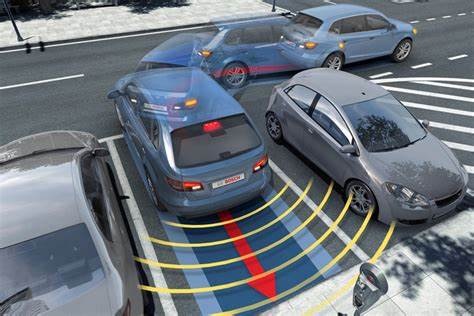
Understanding Parking Sensors
Parking Sensors are safety devices installed in vehicles to assist drivers in parking and maneuvering by detecting obstacles around the car. They use ultrasonic or electromagnetic technology to "sense" nearby objects that may not be visible through mirrors, especially in blind spots. When an obstacle is detected, the system provides feedback to the driver through audible beeps, visual indicators, or both, alerting them to the proximity of objects as they park or reverse. This helps prevent minor collisions and makes parking in tight spaces easier and safer.
How Parking Sensors Work?
Parking sensors operate using ultrasonic technology to detect obstacles around the vehicle when reversing. When the car is put into reverse gear, the parking sensor system is automatically activated. Ultrasonic sensors, typically installed on the rear bumper, emit sound waves that travel outward. When these sound waves hit an obstacle, they bounce back and are received by the sensor. By measuring the time it takes for the waves to return, the system calculates the exact distance between the vehicle and the obstacle. This information is then processed by the system’s controller and displayed on a screen or communicated through beeps, alerting the driver to stop if necessary.
Once the car is in reverse, the parking sensor system engages automatically. The controller sends signals to the ultrasonic sensors, which then emit ultrasonic waves. When these waves encounter an obstacle, they reflect back to the sensors, which then send the data to an amplifier circuit. The system’s microprocessor calculates the distance to the obstacle based on the speed of sound and the time delay between emission and reception of the ultrasonic signal. This processed data is displayed visually or audibly, providing the driver with feedback on the obstacle’s distance and direction, helping them to maneuver safely.
Main Functions of Parking Sensors
Parking sensors are designed to make parking and reversing safer by helping drivers detect obstacles around their vehicle. These sensors use ultrasonic technology to measure the distance between the car and nearby objects, providing feedback to the driver. Here are the main functions of parking sensors and how they contribute to a safer, more convenient driving experience. Parking sensors provide three functions:
Distance Measurement: They measure the distance between the rear of the vehicle and nearby obstacles, helping drivers park safely.
Warning Signals: When the car gets too close to an obstacle, the system produces rapid beeps to alert the driver to stop.
Pedestrian Alerts: Some systems include voice warnings to alert pedestrians of a reversing vehicle, enhancing safety in crowded areas.
Components of Parking Sensors
Parking sensors rely on a combination of specialized components to detect obstacles and alert drivers. Each part plays a unique role in ensuring the system works accurately and efficiently. Here’s a breakdown of the main components of parking sensors and how they work together to improve parking safety. Parking sensor systems typically consist of three main components: ultrasonic sensors, a controller, and a display or buzzer.
Ultrasonic Sensors: These sensors emit ultrasonic waves that reflect off obstacles, allowing the system to calculate distances. Most systems use a single integrated sensor for both transmission and reception, but this design has limitations, such as an inability to detect objects that are too thin or low.
Controller: The controller processes signals from the sensors to calculate distances and trigger alerts. It’s generally located near the dashboard, with sensors installed on the bumpers. The controller filters out noise from long signal cables and manages the sensitivity of the system.
Display or Buzzer: This component provides feedback to the driver, either through visual display or audible beeps. The sound or visual alerts increase as the car approaches an obstacle.
Understanding Vehicle Backup Cameras
Backup cameras work differently from parking sensors by providing real-time visual feedback rather than distance-based alerts. When the vehicle is in reverse, the camera located at the back of the vehicle activates, transmitting live video to a dashboard display. Some backup cameras come with night-vision capability, which allows for clear visibility in low light. The camera captures the area directly behind the vehicle, showing any obstacles on the display screen and giving the driver a clear view while reversing.
Backup Cameras and Parking Sensors Comparison
Parking sensors and backup cameras each have distinct advantages and limitations. While parking sensors are effective for detecting obstacles and giving audible alerts, they may struggle with objects outside their detection range. Backup cameras, on the other hand, offer a direct visual of the area behind the car, but have blind spots and require the driver to look at the screen while reversing. For the best safety outcome, many modern vehicles combine both systems, using the camera for visual guidance and the sensors for audio alerts.
Advantages and Disadvantages of Parking Sensors
- On Time Detection: Parking sensors constantly scan for obstacles, alerting the driver with audible sounds as the vehicle nears an object.
- Enhanced Safety: Ultrasonic sensors can detect obstacles in blind spots, especially in low-visibility situations, helping prevent accidents
- Accuracy Limitations: Sensors can sometimes misinterpret distances or fail to detect thin or low objects like cables or curbs.
- False Alarms: Sensors may occasionally give false alarms, especially when they detect the ground or other irrelevant surfaces.
Advantages and Disadvantages of Backup Cameras
- Clear Visibility: Backup cameras provide a pefect view of the area behind the vehicle, showing the actual distance between the car and any obstacles.
- Easy Installation: Backup cameras are relatively easy to install and can be connected to the vehicle’s reverse lights.
- Limited Field of View: Cameras only cover the area directly behind the vehicle, leaving blind spots on the sides and top.
- Reliance on Display Screen: Drivers need to balance watching the screen with using mirrors to ensure a complete view, as the camera cannot capture every angle.
Recommendations for Choosing Parking Assistance Technology
When selecting parking assistance technology, it’s essential to consider various factors that can enhance convenience and safety. With a wide range of options available, from sensors and cameras to advanced systems featuring artificial intelligence, understanding the unique features and functionalities of each technology can help you make an informed decision. This guide outlines recommendations to help you choose the right parking assistance solution that meets your needs and improves your overall driving experience. Choosing the right parking assistance technology depends on your needs and driving habits:
- Simple Installation: If you prefer minimal installation, a backup camera alone may suffice.
- Audible Alerts: If you rely on sound to assist in parking, a parking sensor is a good choice.
- Dual Functionality: For maximum safety, consider a visual parking sensor that provides both video and audio feedback.
- Full Protection: If you want comprehensive assistance, installing both a parking sensor and a backup camera is ideal. This way, you’ll have visual feedback from the camera and audible alerts from the sensor, reducing blind spots and enhancing safety.
Parking sensors and backup cameras are invaluable tools for modern drivers, improving parking safety and convenience. As technology evolves, these systems are increasingly common in vehicles, with some even offering combined features like a 360-degree panoramic view that eliminates blind spots altogether. Whether you're a new driver or simply looking to make parking easier and safer, investing in parking sensors, a backup camera, or both can make a difference in your driving experience.
Frequently Asked Questions [FAQ]
1. Does Halfords install parking sensors?
If you're uncertain about the best rear parking sensor for your vehicle, visit your local Halfords store. Our knowledgeable team is ready to assist you and can also arrange for your parking sensor to be professionally installed.
2. How do parking sensors work?
Parking sensors utilize ultrasonic technology, similar to how bats navigate. They emit high-frequency sound waves that bounce off nearby objects. A receiver captures these reflected waves, allowing the system to calculate the distance between your vehicle and the detected object.
3. What is the cost of installing parking sensors?
If you're looking for a budget-friendly option, you can purchase a DIY parking sensor kit and hire a professional for installation, which typically costs between £65 and £150 for labor. Alternatively, you can have a professional both supply and install the sensors from scratch.
4. Are parking sensors easy to install?
Yes, parking sensors are designed for straightforward installation. Many manufacturers have developed user-friendly solutions that allow for quick, seamless, and discreet installation of the sensor components on virtually any vehicle.
5. How can I tell if my car has parking sensors?
Most vehicles equipped with parking sensors will have them mounted on the rear bumper, with some models also featuring sensors on the front. Additionally, many systems provide a visual display on the infotainment screen to alert you to nearby obstacles.
Related Blog
-
How Many Zeros in a Million, Billion, Trillion?
![How Many Zeros in a Million, Billion, Trillion?]()
July 29th, 2024
Million represents 106, an easily graspable figure when compared to everyday items or annual salaries. Billion, equivalent to 109, starts to stretch t... -
IRLZ44N MOSFET Datasheet, Circuit, Equivalent, Pinout
![IRLZ44N MOSFET Datasheet, Circuit, Equivalent, Pinout]()
August 28th, 2024
The IRLZ44N is a widely-used N-Channel Power MOSFET. Renowned for its excellent switching capabilities, it is highly suited for numerous applications,... -
Battery Temperature Too Low, Charging Stopped. How to Fix It?
![Battery Temperature Too Low, Charging Stopped. How to Fix It?]()
October 6th, 2024
Mobile phone battery charging issues are common but can be effectively managed. Temperature plays a big role in battery efficiency, as smartphone batt... -
BC547 Transistor Comprehensive Guide
![BC547 Transistor Comprehensive Guide]()
July 4th, 2024
The BC547 transistor is commonly used in a variety of electronic applications, ranging from basic signal amplifiers to complex oscillator circuits and... -
Comprehensive Guide to SCR (Silicon Controlled Rectifier)
![Comprehensive Guide to SCR (Silicon Controlled Rectifier)]()
April 22th, 2024
Silicon Controlled Rectifiers (SCR), or thyristors, play a pivotal role in power electronics technology because of their performance and reliability. ... -
LR621, SR621SW, 364, AG1 Battery Equivalents and Replacements
![LR621, SR621SW, 364, AG1 Battery Equivalents and Replacements]()
July 15th, 2024
LR621 and SR621SW button batteries are prevalent in compact electronic devices like watches, small toys, calculators, and remote keys. Multiple manufa... -
Fundamentals of Op-Amp Circuits
![Fundamentals of Op-Amp Circuits]()
December 28th, 2023
In the intricate world of electronics, a journey into its mysteries invariably leads us to a kaleidoscope of circuit components, both exquisite and co... -
Comparing NMOS and PMOS Differences and Applications
![Comparing NMOS and PMOS Differences and Applications]()
November 15th, 2024
Understanding the differences between NMOS and PMOS transistors is important in designing efficient circuits. NMOS (N-type Metal-Oxide-Semiconductor) ... -
A Complete Guide to Multiplexers and Their Role in Digital Systems
![A Complete Guide to Multiplexers and Their Role in Digital Systems]()
September 20th, 2025
Multiplexers are components in digital systems, designed to channel multiple input signals into a single output line using binary logic and control si... -
What Do STD, AGM, and Gel Mean On a Battery Charger
![What Do STD, AGM, and Gel Mean On a Battery Charger]()
July 10th, 2024
Traditional lead-acid battery chargers are known for their simplicity and reliability. They have been serving their purpose effectively for years, lar...



Hot Parts
- W83L950D
- MIG75JCSAOA
- UPD75P068GB-3B4
- 2SK184-Y
- VI-26B-08
- 0805VC102KAT2A
- TPS2557DRBT
- LAN9303I-ABZJ
- PSMN008-75B
- UPD70F3505AGCA1-UEU-AX
- LA9613T-MPB-E
- HY57V641620ETP-HI
- IDT74FCT163373APV
- AM4377BZDNA80
- CXD4810GA-T4
- CY2305CSXC-1HT
- TPS56221DQPT
- DG721DQ-T1-GE3
- LT1168CS8
- TAJT335M016RNJ
- WS1105-SG1
- PIC16F877-20/PQ
- C0402C150J5GACAUTO
- FAN7390N
- XC4013XL-09PQ208C
- LM9800CCV
- C3216CH2W103K160AA
- TLV2372IDGKRG4
- MSM6544G3-2K
- GCM1885C1H6R1DA16D
- SY88933VKCTR
- AM29LV010B-70JC
- LT3757AIDD#TRPBF
- MC74LS221
- OPA2336E/2K5
- V502C066
- RT1206BRD07137KL
- HIP6311CB-T
- CC0201DRNPO8BN6R0
- ADP1763ACPZ-1.0-R7
- CGA6L2X7R2A684M160AA
- MT9043ANR1
- HIP6004BCB
- AT24C256-10UI-2.7
- MC9S08PA4AVTGR
- M38199MF-065FP
- STMP3502
- R5G0C302FA#U0
- HY27UF081G2A-FPCB
- 2MBI14VXB-120P-50