- English
-
EnglishDeutschItaliaFrançais한국의русскийSvenskaNederlandespañolPortuguêspolski繁体中文SuomiGaeilgeSlovenskáSlovenijaČeštinaMelayuMagyarországHrvatskaDanskromânescIndonesiaΕλλάδαБългарски езикGalegolietuviųMaoriRepublika e ShqipërisëالعربيةአማርኛAzərbaycanEesti VabariikEuskeraБеларусьLëtzebuergeschAyitiAfrikaansBosnaíslenskaCambodiaမြန်မာМонголулсМакедонскиmalaɡasʲພາສາລາວKurdîსაქართველოIsiXhosaفارسیisiZuluPilipinoසිංහලTürk diliTiếng ViệtहिंदीТоҷикӣاردوภาษาไทยO'zbekKongeriketবাংলা ভাষারChicheŵaSamoa日本語SesothoCрпскиKiswahiliУкраїнаनेपालीעִבְרִיתپښتوКыргыз тилиҚазақшаCatalàCorsaLatviešuHausaગુજરાતીಕನ್ನಡkannaḍaमराठी

Analog Integrated Circuit
Catalog
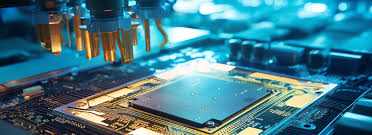
But why is manual design ideal for analog ICs? Unlike digital ICs, which benefit from Electronic Design Automation (EDA) software for automatic synthesis, analog ICs demand detailed manual design and fine-tuning by experienced engineers. This requirement underscores the necessity for comprehensive knowledge of electrical behavior and circuit functionality under different conditions—knowledge that accumulates over years of hands-on practice and meticulous attention to detail.
Historical Genesis and Evolution
The inception of integrated circuits traces back to 1958 when Jack Kilby introduced the first IC using five discrete components on a germanium substrate. This breakthrough laid the foundation for the electronic age and catalyzed the growth of the microelectronics industry. What can we credit Kilby's innovation for? It exemplifies how foundational research translates theoretical concepts into practical applications, driving technological advancement.
The journey from basic germanium ICs to sophisticated modern analog and digital ICs is a testament to relentless innovation and the pursuit of efficiency and miniaturization.
Categorization and Functional Disparities
Integrated circuits fall into two broad categories: digital and analog. Digital ICs handle discrete signals with binary states, while analog ICs manage continuous, natural signals like sound and waveforms. Analog ICs are ideal for amplifying and processing these signals, thus enabling their accurate reproduction and manipulation.
Understanding these differences is ideal for grasping the respective applications and design philosophies. While digital ICs have revolutionized computing and digital communication, analog ICs are ideal in fields requiring precise analog signal processing, such as audio engineering, biomedical instrumentation, and telecommunications. Often, hybrid systems combining both analog and digital ICs provide enhanced performance by leveraging each type's strengths.
Consider real-world examples where both analog and digital processes converge. In audio equipment, analog amplifiers might work with digital signal processors to produce high-fidelity sound. In medical devices, analog sensors can capture physiological data, while digital circuits analyze and store it. These examples demonstrate how combining analog and digital technologies can improve functionality and efficiency.
Principle
In IT, digital integrated circuits (ICs) predominantly process discrete digital signals—representations of information in clear binary values, 0s, and 1s. However, have you ever wondered how these ICs handle our continuous real-world signals? Natural signals in the real world are continuous and necessitate sophisticated analog circuits for initial processing.
Analog Signal Processing and Digitization
Analog signals are first captured and amplified by analog circuits. Imagine the intricacy involved in capturing the nuances of a musical performance. These processed analog signals are then digitized for enhanced manipulation and analysis through digital systems. Digital processing is usually more efficient and precise, enabling a wide range of applications. This includes data analytics and complex computing tasks.
Subsequently, digital signals can be converted back to analog form for various output purposes. Examples include audio playback and visual displays. This ensures compatibility with human sensory experiences, which are inherently analog.
Why is it that digital systems are often preferred for extensive data manipulation? The efficiency and precision of digital processing might be the main, allowing for a diverse array of modern applications.
The Role of Transistors in ICs
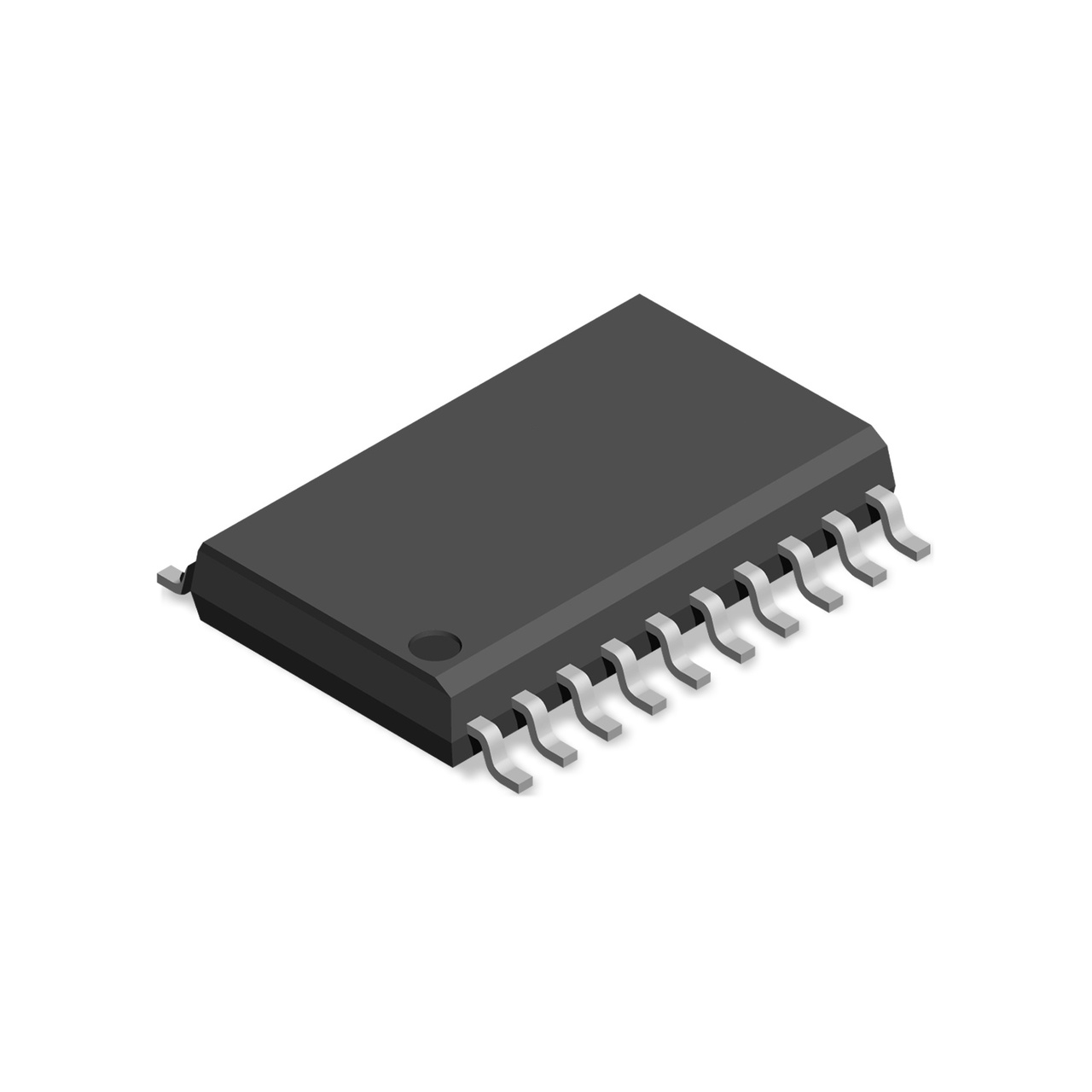
Transistors play a central role in both analog and digital ICs. In analog ICs, transistors are ideal for amplification—enhancing the strength of signals for further processing without distortion.
In contrast, digital ICs leverage the switching capabilities of transistors to perform logical operations. Historically, bipolar junction transistors (BJTs) were preferred in analog IC designs due to their high gain and linearity. However, have you noticed the shift towards CMOS technology today?
Modern IC designs frequently deploy CMOS (Complementary Metal-Oxide-Semiconductor) technology. This transition was driven by CMOS's superior advantages, such as higher speed, lower power consumption, and better scalability.
Advancements in CMOS Technology
The adoption of CMOS technology has enabled the seamless integration of both analog and digital circuits into a single chip. This optimizes overall performance. Mixed-signal ICs, which incorporate both types of circuits, exemplify this integration. They are ideal in applications requiring precise analog interfacing and robust digital processing.
Look at the evolution of consumer electronics. Devices like smartphones and wearables extensively utilize mixed-signal ICs. These ICs perform functions such as signal processing, data conversion, and sensor interfacing. This combination delivers high performance while maintaining low power consumption.
Application
ideal Circuits in Analog ICs
Analog ICs incorporate ideal circuits such as current sources, amplifiers, filters, and feedback loops. These components serve as the foundational elements of more complex systems. Consider the importance of a current source: it provides consistent currents to other circuit parts. But why is this consistency so important? The answer lies in its important role in biasing and active loads within amplifiers, ensuring stability and accuracy.
Understanding their operation can help design effective analog integrated circuits. For instance, current sources provide consistent currents to other circuit parts.
Higher-Level Integrations
In addition to ideal components, analog ICs integrate higher-level elements such as operational Amplifiers (Op-Amps), comparators, phase-Locked Loops (PLLs), and analog-to-Digital (ADC) and Digital-to-Analog (DAC) converters. Op-Amps amplify small voltage differences while maintaining high input impedance, a characteristic highly prized in applications ranging from audio to instrumentation. Comparators play a ideal role in signal processing by determining if a voltage is above or below a reference level. PLLs are ideal for syncing signals, particularly in communications and clock management.
ADCs and DACs bridge the analog and digital domains. But what determines their effectiveness? It's their ability to enable digital systems to interact with the physical world seamlessly, making them ideal in myriad contexts.
Analog circuits can be categorized into two main types: linear and nonlinear. Linear circuits have outputs directly proportional to their inputs, exemplifying applications where signal fidelity is ideal, such as in amplifiers. Nonlinear circuits, in contrast, possess complex input-output relationships. These include modulators and oscillators. They are instrumental in conditioning signals for subsequent digital processing or transmission, where traditional linear performance would fail to meet the needs.
Signal Conversion Process
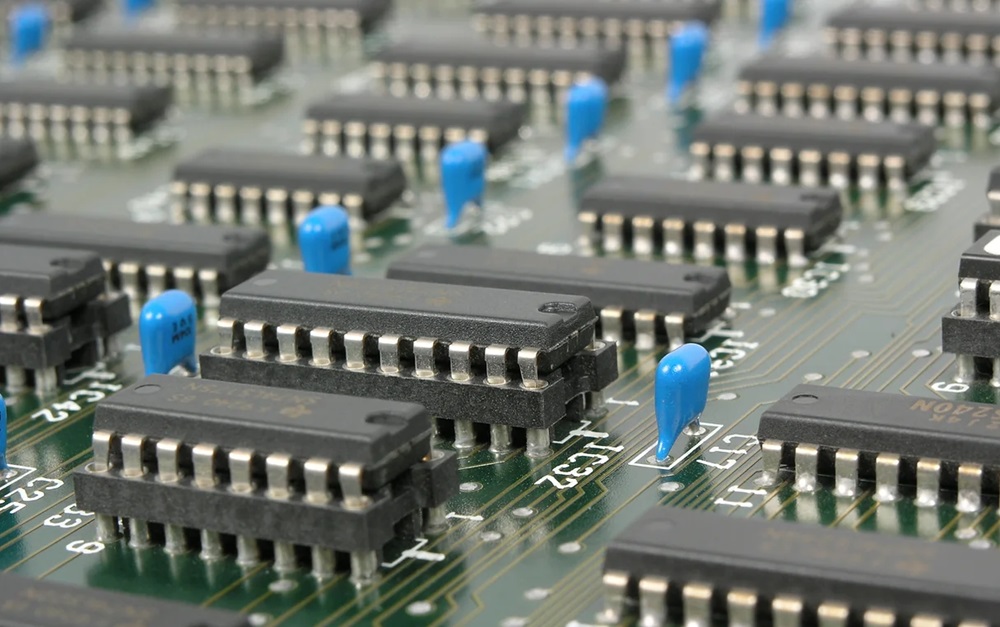
Analog ICs are ideal in converting natural signals between analog and digital formats. The process begins with sensors that detect real-world phenomena and generate analog signals.
These signals undergo conditioning and amplification before ADCs digitize them, enabling digital systems to process them.
After digital processing, DACs convert the data back to analog form, enabling practical outputs, such as sound in speakers or images on screens. Consider the complexity of this process: without precise conversion, the fidelity and quality of the final output would be severely compromised.
This bidirectional conversion proves ideal in applications ranging from audio-video equipment to advanced medical instruments.
Challenges in Analog IC Design
Unlike digital ICs, which benefit from Electronic Design Automation (EDA) tools, analog IC design is predominantly a manual endeavor. This manual approach necessitates substantial expertise, as aspects such as gain, accuracy, noise, and temperature sensitivity profoundly influence performance.
What makes designing an amplifier so challenging? It involves meticulously balancing these factors to ensure stability and accuracy across various conditions. Precision becomes particularly ideal in harsh environments, necessitating robust designs to maintain functionality.
The implicit practices in analogous engineering fields underscore the leveraging of practical experience and iterative refinement. Overcoming these challenges not only fosters innovation but also cultivates a specialized skill set among practitioners, demanding a profound understanding and attention to detail.
Current Situation
The use of analog integrated circuits (ICs) has seen considerable growth, particularly driven by the expansion of consumer electronics markets. From 2003 to 2009, the global analog market experienced a compound annual growth rate of 12%. Future predictions indicate that the growth of analog ICs will eclipse that of digital ICs. Analog ICs are ideal for various functions such as amplifications, comparison, data conversion, and power regulation. The design landscape for analog ICs has broadened, encompassing diverse applications and varying performance levels tailored to meet specific industry needs.
One might wonder: Why is the future growth of analog ICs projected to surpass digital ICs? This could be due to their important role in precise signal processing and power management in modern electronics.
Data Converters and Analog-Digital Interface
Data converters highlight the intricate relationship between analog and digital domains, often with analog components taking up more than half the chip area. Advances in converter technology have enabled the creation of mixed-signal ICs that are both versatile and compact.
This progress is ideal for industries that depend on precise data interpretation and seamless integration of analog-digital functionalities. Notable sectors benefiting from this trend include telecommunications, medical devices, and automotive electronics.
Amplifiers and RF Technology
Amplifiers are ideal in radio frequency (RF) technology, using silicon-germanium (SiGe) bipolar transistors to enhance performance and lower power consumption. Notable companies, such as Analog Devices, Inc. (ADI), produce flexible amplifiers applicable in various domains such as communication, general amplification, and digital data interfacing.
For example, the AD6121 is a multifunctional system incorporating voltage regulation within analog processing modules, specifically aimed at mobile phone applications.
Integration and Technological Advancements
The electronics industry heavily relies on analog technology to drive innovation and distinguish products through unique features and improved efficiency. The trend toward more integrated systems is a testament to this, where multiple functionalities combine into single, compact modules.
These integrated systems yield devices that are more sophisticated and user friendly.
Real-world applications include devices that streamline daily activities, enhancing functionalities while maintaining energy efficiency. But what exactly leads to such high integration levels in analog technology? The growing demand for compact and efficient consumer electronics often drives this innovation.
Practical Experiences and Insights
Practical experiences shed light on the value of these innovations. In the realm of consumer electronics, professionals frequently encounter the necessity for efficient power management and precise data conversion, both of which are ideal for optimal device performance.
For instance, advancements in smartphone technology hinge on integrating advanced analog components that manage power consumption and boost signal processing capabilities.
Analog technology remains foundational to the electronics industry, continually fostering innovation and differentiation. It meets the evolving demands for more complex yet user-friendly devices and underscores its significance. The ingenuity and practical application in the design of analog ICs continue to shape the modern electronics landscape.
Classification
Analog integrated circuits can be broadly classified into three distinct categories. How do these categories impact the advancement of technology? Let's delve deeper to understand their unique contributions.
These circuits encompass foundational components such as operational amplifiers, multipliers, phase-locked loops, active filters, and converters. Their adaptability allows for deployment across varied applications in multiple fields. Consider operational amplifiers: they are ideal in constructing feedback loops to signal processing. Phase-locked loops, on the other hand, maintain synchronization between oscillator frequencies, ideal in communication systems and signal transmission.
Could general-purpose circuits be the unsung heroes of signal integrity? Indeed, they often are. A notable instance is the development of an operational amplifier that ly enhanced signal clarity in audio equipment, transforming everyday listening experiences.
Special-purpose circuits are meticulously engineered for specific applications, be it audio systems, television receivers, video recorders, or communication systems. The precision in their design maximizes performance and efficiency for targeted uses. An audio system’s fidelity, for example, pivots on specialized audio amplifiers that minimize distortion and enrich sound quality.
What drives the evolution of special-purpose circuits in consumer electronics? Innovation and user demand do. Engineers have crafted custom-integrated circuits for television receivers that substantially reduced noise and amplified picture quality, illustrating the direct impact on user experience.
Single-chip integrated systems encapsulate entire systems, such as single-chip transmitters and receivers. This compact integration yields reliability and efficiency, ideal for modern communication devices and miniaturized tech solutions. Technological progress has allowed these systems to become smaller while maintaining high performance.
Is the future of mobile technology bound by single-chip solutions? Very likely, as incorporating receivers within a single chip has revolutionized mobile communication devices, enhancing their efficiency and compactness. This integration simplifies design, reduces manufacturing costs, and lowers power consumption, showcasing its inherent value in advancing technological capabilities.
Exploring the classification and practical applications of analog integrated circuits reveals their ideal role in innovation and technological enhancement. Each category—general-purpose, special-purpose, or single-chip systems—uniquely contributes to the vast landscape of electronics.
Frequently Asked Questions
1. Are there any limitations or challenges associated with analog integrated circuits?
Analog ICs can be sensitive to noise and require meticulous layout and shielding to maintain signal integrity. This brings us to an intriguing question: Why is noise such a main factor for analog ICs? Noise can distort the signals that analog ICs process, leading to inaccuracies. Moreover, they may encounter issues related to manufacturing process variations, temperature drift, and limited scalability in comparison to digital integrated circuits. For context, in practical environments, attention to electromagnetic compatibility (EMC) is paramount to avoid interference affecting performance. It's curious, how do professionals approach these challenges? Often, they adopt rigorous testing and validation strategies to pre-empt such challenges.
2. What are the main considerations when designing with analog integrated circuits?
Designers must account for noise, distortion, bandwidth, power supply requirements, and temperature stability.
Ensuring proper grounding and signal integrity is ideal, along with addressing analog-to-digital and digital-to-analog conversion issues. An interesting consideration—what role does temperature play in analog IC performance? Practical design often involves iterative prototyping to refine these parameters. For instance, integrated temperature compensation techniques are frequently utilized to mitigate temperature drift issues, leaning on thermal management best practices.
3. What are the advantages of using analog integrated circuits?
Analog ICs provide several advantages including improved performance, reduced sized and weight, lower power consumption, and enhanced reliability.
Compared to discrete analog components, analog ICs also simplify the design and implementation of complex analog functionalities. It's important to note that in high-performance applications, the compact nature of analog ICs reduces parasitics, thereby optimizing overall system efficiency. Enhanced integration fosters seamless system interactions, further underscoring their value in cutting-edge technologies. An intriguing thought—how does increased integration impact system design philosophies? By fostering such integration, systems become more cohesive and efficient, which is particularly valuable in modern technology landscapes.
Related Blog
-
How Many Zeros in a Million, Billion, Trillion?
![How Many Zeros in a Million, Billion, Trillion?]()
July 29th, 2024
Million represents 106, an easily graspable figure when compared to everyday items or annual salaries. Billion, equivalent to 109, starts to stretch t... -
IRLZ44N MOSFET Datasheet, Circuit, Equivalent, Pinout
![IRLZ44N MOSFET Datasheet, Circuit, Equivalent, Pinout]()
August 28th, 2024
The IRLZ44N is a widely-used N-Channel Power MOSFET. Renowned for its excellent switching capabilities, it is highly suited for numerous applications,... -
Battery Temperature Too Low, Charging Stopped. How to Fix It?
![Battery Temperature Too Low, Charging Stopped. How to Fix It?]()
October 6th, 2024
Mobile phone battery charging issues are common but can be effectively managed. Temperature plays a big role in battery efficiency, as smartphone batt... -
BC547 Transistor Comprehensive Guide
![BC547 Transistor Comprehensive Guide]()
July 4th, 2024
The BC547 transistor is commonly used in a variety of electronic applications, ranging from basic signal amplifiers to complex oscillator circuits and... -
Comprehensive Guide to SCR (Silicon Controlled Rectifier)
![Comprehensive Guide to SCR (Silicon Controlled Rectifier)]()
April 22th, 2024
Silicon Controlled Rectifiers (SCR), or thyristors, play a pivotal role in power electronics technology because of their performance and reliability. ... -
LR621, SR621SW, 364, AG1 Battery Equivalents and Replacements
![LR621, SR621SW, 364, AG1 Battery Equivalents and Replacements]()
July 15th, 2024
LR621 and SR621SW button batteries are prevalent in compact electronic devices like watches, small toys, calculators, and remote keys. Multiple manufa... -
Fundamentals of Op-Amp Circuits
![Fundamentals of Op-Amp Circuits]()
December 28th, 2023
In the intricate world of electronics, a journey into its mysteries invariably leads us to a kaleidoscope of circuit components, both exquisite and co... -
Comparing NMOS and PMOS Differences and Applications
![Comparing NMOS and PMOS Differences and Applications]()
November 15th, 2024
Understanding the differences between NMOS and PMOS transistors is important in designing efficient circuits. NMOS (N-type Metal-Oxide-Semiconductor) ... -
A Complete Guide to Multiplexers and Their Role in Digital Systems
![A Complete Guide to Multiplexers and Their Role in Digital Systems]()
September 20th, 2025
Multiplexers are components in digital systems, designed to channel multiple input signals into a single output line using binary logic and control si... -
What Do STD, AGM, and Gel Mean On a Battery Charger
![What Do STD, AGM, and Gel Mean On a Battery Charger]()
July 10th, 2024
Traditional lead-acid battery chargers are known for their simplicity and reliability. They have been serving their purpose effectively for years, lar...



Hot Parts
- VLMW33T2AA-5K8L-08
- AM28F020-90JC/T
- TL7759CPSR
- RTL8812AU-CG
- RC0805FR-073K92L
- GRM1885C1H2R2CZ01D
- VI-810322
- 12065A221JAT2A
- IR3Y29BM
- TC55V1001AF-85
- GRM2165C1H1R5CD01D
- SST38VF6401-90-5I-B3KE
- FQP12N60C
- E01A91CA
- GRM216R61E105KA12D
- 7MBP50RTF060-01
- TPS78330DDCT
- CY7B994V-5BBC
- GJM1555C1H4R3BB01D
- BAS16HTW-13
- CC0201JRX7R8BB102
- PE-68023T
- TW2864S-LD1-GR
- MAX5309EUE
- SN74LS541NSR
- KM68U1000CLTGE-8L
- MLZ2012A1R0MT000
- 12061A820GAT2A
- GRM155R71E682JA01D
- MCP73223-C2SI/MF
- NCP81231MNTXG
- MCOMP16X4F43VDW-SS
- XC5VLX85T-2FFG1136C
- PRC212550M/220
- MST700-LF
- T491A226K004AT7280
- S29GL01GS12TFIV10
- VI-25L-CU
- CY7C1353-50AC
- IDT75T512S100BS
- UPD789114AMC-554-5A4-A
- MR27T6402G
- AM79C983AKC
- PT7M6122NLE
- TC74VHC299F
- VSC8242HX-01
- ADS125H02IRHBR
- GS8182Q09BGD-250
- VI-B60-42
- SAB80C535-16N